

Kira, next to Kira Health Centre, Uganda
info@vanguardlinguistics.com+256 782 187844Alt: +256 701 187844

Professional language services in Uganda & East Africa

Telephone Interpretation Services in Uganda

On-demand and scheduled spoken-language support for calls, interviews, help desks and consultations. Vanguard Linguistics supports clients in Kampala, across Uganda and through project-based delivery in Kenya, Tanzania, Rwanda and wider Africa.

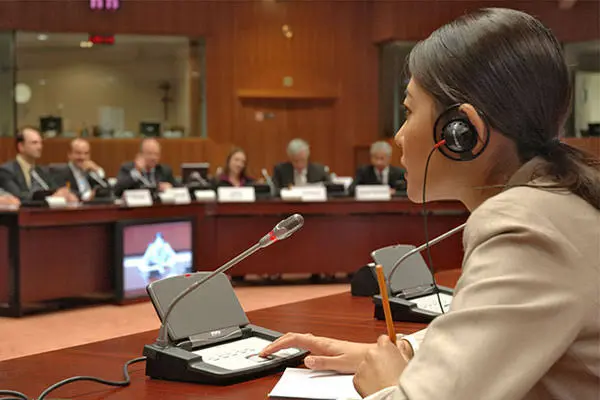
African professionals discussing a multilingual business project, illustrating Telephone Interpretation Services in Uganda
22Vanguard service

Built around the final use

A practical brief for telephone interpretation

Telephone interpretation connects participants and an interpreter through an audio call when visual presence is unnecessary or unavailable. It can be effective for short, structured conversations, but speaker identification, privacy, turn-taking, sound quality and emergency procedures must be clear.

A dependable result starts with the audience, purpose, language direction, subject, format and delivery requirement. These details determine who should do the work and how it should be checked.

Understand the service

What is telephone interpretation?

Telephone interpretation is live consecutive interpretation delivered through an audio call. It is useful when participants are in different places or visual presence is unnecessary, especially for scheduled short conversations. Because visual cues are absent, introductions, speaker control and clear sound are essential.

Telephone interpretation can connect participants across Uganda and East Africa without travel, subject to connectivity, language availability and the consequence of the call. It is not presented as an emergency-response line.

Service options

Our Telephone Interpretation solutions

The right specification depends on the communication setting, audience and consequence. Each component below is scoped separately and can be combined with related language services.

01

Help desks and call centres

Customers or citizens can access scheduled language support for structured enquiries and service navigation.

02

Business calls

Partners can discuss appointments, deliveries and defined operational matters through a neutral interpreter.

03

Remote interviews

Researchers and field teams can conduct controlled interviews when video or travel is unavailable.

04

Follow-up consultations

Short non-emergency conversations can be supported where privacy, identity and escalation procedures are clear.

Plan before production

How to plan a successful telephone interpretation project

01

Scheduled or on-demand

Rare language pairs and specialist subjects usually require advance booking and context.

02

Participant identity

The host should introduce each person, explain the purpose and control who joins the call.

03

Privacy

Sensitive calls need an appropriate environment and an approved telephony or conferencing method.

04

Limitations

Visual documents, demonstrations and complex multi-party discussion may be better served by video or in-person interpretation.

Use cases

Common uses of Telephone Interpretation

Customer and citizen help lines
Appointment scheduling
Short business calls
Remote interviews
Follow-up consultations
Field-team support

Deliverables

What our telephone interpretation projects can include

  • Scheduled interpreter access
  • Call-joining instructions
  • Language and context brief
  • Session record details where agreed

Uganda and regional expertise

Industries that use Telephone Interpretation

Language decisions change with subject matter, professional responsibility and the people who must act on the communication. Vanguard matches the assignment with relevant experience and prepares terminology before delivery.

Customer service

Government and citizen support

NGO field programmes

Healthcare follow-up

Research interviews

Business operations

Prepare well

What we need to quote your telephone interpretation project

  1. 1Source and target language
  2. 2Audience and destination
  3. 3Files or event programme
  4. 4Approved references
  5. 5Deadline and final format
Avoidable project risks

Details worth resolving early

!Unclear audience

!Missing source content

!Inconsistent terminology

!No time for review

A controlled workflow

Our professional telephone interpretation process

01

Assess

Purpose, language, audience, files and risk.

02

Assign

A suitable linguist and workflow are selected.

03

Create

Work is completed against the brief and references.

04

Review

Meaning, terminology, completeness and presentation are checked.

Questions answered

Telephone Interpretation: frequently asked questions

What information should I send for a quotation?+

Share the language pair, intended audience, subject, file or event details, deadline and final use. This allows a project-specific assessment.

How is quality checked?+

The workflow is agreed around risk and use, then checks meaning, terminology, completeness, consistency and presentation before delivery.

Can the work be confidential?+

Sensitive material can be handled under project-specific confidentiality arrangements agreed before files are shared.

How far in advance should I book telephone interpretation?+

Share the material or event brief as early as possible. Lead time depends on the language pair, volume, subject, review level, event date and availability of the right specialists. Urgent requests are assessed honestly rather than accepted at the expense of quality.

How do I request a quotation for telephone interpretation?+

Send the source and target languages, intended audience, country or community, files or event programme, quantity, final use, delivery format and deadline. Confidential material can be discussed before a secure transfer method is agreed.

Have a language project in mind?

Tell us the language, purpose and deadline.

Request a quotation
Chat with us